BASELINE SURVEY
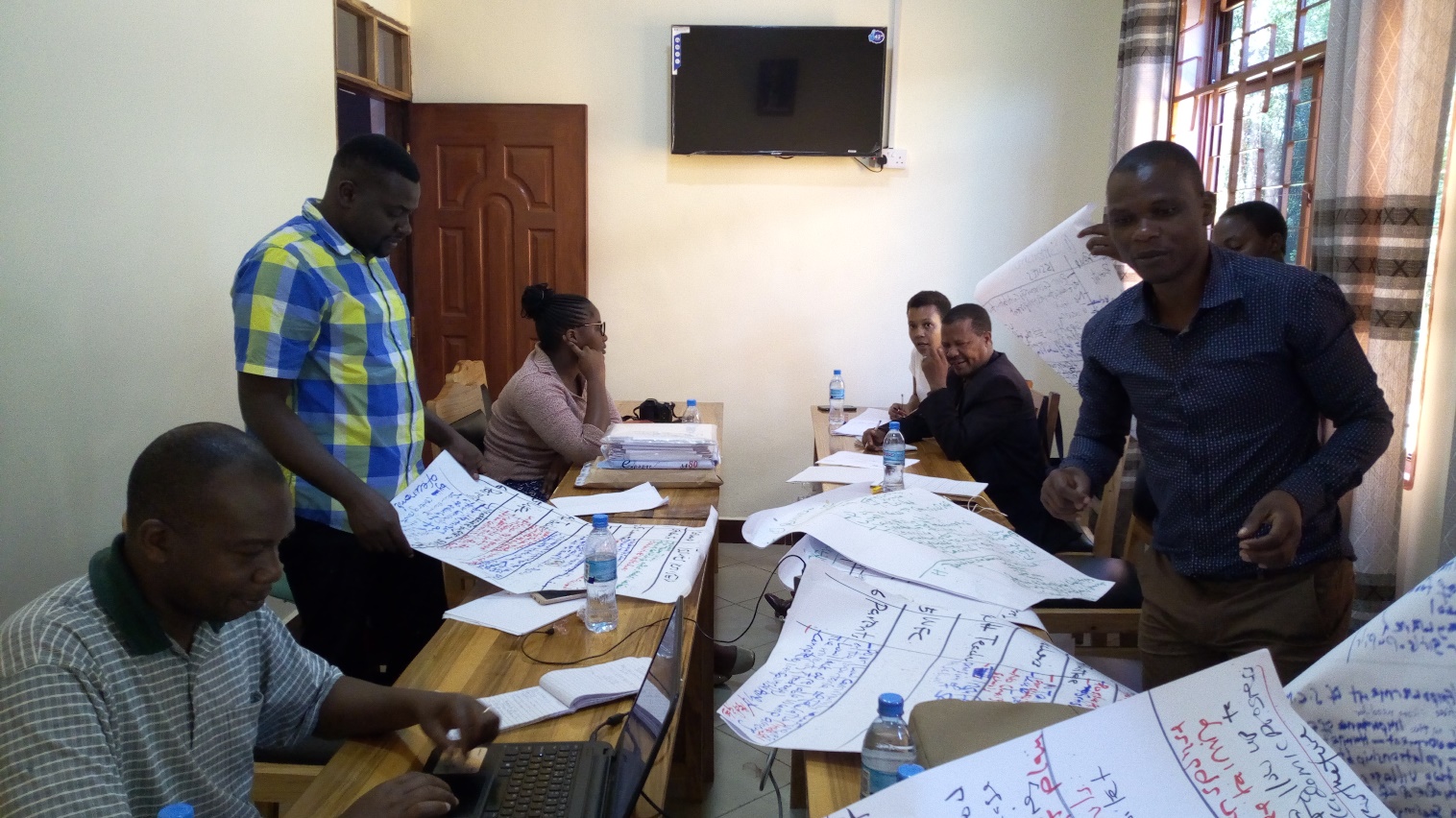
STAWI conducts baseline studies in order to help organizations working in the communities to analyze current situations for a specific demand of the programs/projects before starting programs interventions as well as being in the position of identifying a starting point for a said programs or projects thereof. The studies look at which information should be considered and analyzed to establish a baseline or starting point as well as benchmark results against which future progresses to be assessed or compared. A Baseline Survey is a recommended way for starting a project and a thorough way to measure its results. Information collected are basically used as a benchmark for all future activities including making referencing points of where project managers can refer to for the purposes of making project managerial decisions perfectly.
STAWI BASELINE SURVEY EXPERIENCE REPORT (2020–2025)
INTRODUCTION
Between 2020 and 2025, STAWI designed and implemented a series of rigorous baseline surveys and needs assessments funded by reputable partners, including Norges Vel, AGRA, TAHA, World Vision, Solidaridad, Rikolto, and the Pestalozzi Children’s Foundation. These engagements reflect STAWI’s strong technical capacity in research, value chain analytics, cooperative assessment, livelihoods evaluation, and market systems analysis. Each assignment contributed to an expanding body of evidence that development partners have used to refine project designs, target beneficiaries more effectively, and measure impact more accurately.
The following sections present a detailed narrative of each baseline assignment, demonstrating STAWI’s methodological competence, analytical depth, and consistent delivery of high-quality, decision-ready data.
2025: FOLLOW-UP BASELINE – RICE VALUE CHAIN DEVELOPMENT IN KILOMBERO (NORGES VEL)
In 2025, STAWI conducted a comprehensive follow-up needs assessment and baseline study, funded by Norges Vel, with a specific focus on the Rice Value Chain in Kilombero District, one of Tanzania’s largest rice-producing zones. The assessment applied a value chain approach to examine production bottlenecks, irrigation system challenges, farmer skill gaps, youth employment opportunities, cooperative governance readiness, and weaknesses in post-harvest handling and marketing systems.
The study identified persistent constraints such as limited access to quality seeds, weak extension support, poor water management, and high post-harvest losses due to substandard storage and milling practices. Despite these challenges, the assessment revealed enormous potential for sector transformation. It demonstrated opportunities to significantly increase productivity, build stronger cooperatives, enhance market competitiveness, and expand income-generating opportunities for youth and women.
The findings provided a robust justification for designing and implementing a structured Rice Value Chain Development Program. This baseline significantly strengthened STAWI’s reputation in rice sector analytics and reinforced its leadership in developing high-impact agricultural interventions.
2024: BASELINE ON SMALLHOLDER COMMERCIALIZATION AND MARKET SYSTEMS TRANSFORMATION (AGRA)
In 2024, STAWI executed an extensive baseline survey funded by the Alliance for a Green Revolution in Africa (AGRA). The study assessed critical determinants of smallholder commercialization, including the functionality of input systems, reliability of extension services, performance of aggregation models, quality of cooperative governance, and existing linkages with off-takers across major grain-producing regions.
STAWI employed advanced analytical tools to quantify farm-level productivity, assess yield gaps, measure digital extension penetration (including e-extension platforms), and evaluate financial inclusion trends among smallholder farmers. The baseline also assessed climate vulnerability indicators to understand farmers’ exposure to production shocks.
The results provided AGRA with evidence-based insights that shaped strategic interventions targeting strengthened seed distribution systems, expansion of structured trading platforms, enhanced farmer market linkages, and development of inclusive market systems. The baseline was fundamental in guiding AGRA’s focus on high-impact, scalable solutions for food system transformation.
2023: COOPERATIVE STRENGTHENING AND VALUE CHAIN DEVELOPMENT BASELINE (NORGES VEL)
In 2023, STAWI conducted another major baseline survey funded by Norges Vel, covering regions such as Kilombero, Mbarali, and Kyela. The assessment focused on strengthening cooperative governance, promoting youth and women’s involvement in agribusiness, and identifying structural opportunities within rice and horticulture value chains.
The study revealed governance gaps within cooperative societies, including weak leadership structures, limited service delivery capacity, and challenges in record-keeping and financial transparency. It also noted limitations in post-harvest handling infrastructure and a lack of value addition practices across both rice and horticulture chains.
This baseline was instrumental for Norges Vel in refining program strategies related to cooperative capacity building, business development services (BDS), and market facilitation. The findings contributed to more targeted intervention designs aimed at strengthening farmer institutions and developing resilient value chains.
2022: LIVELIHOODS AND FOOD SECURITY BASELINE (WORLD VISION TANZANIA)
In 2022, STAWI was commissioned by World Vision Tanzania to conduct a baseline study for a rural livelihoods and food security strengthening program. The assessment examined household income sources, agricultural productivity levels, nutrition and dietary diversity indicators, market access conditions, and community resilience capacities.
STAWI utilized digital data collection platforms such as KOBO Toolbox and ODK, complemented by trained community enumerators to ensure high-quality, inclusive datasets. The study also incorporated participatory techniques to capture the lived realities of households, particularly women, children, and vulnerable groups.
The evidence generated informed World Vision’s program design, shaping interventions in climate-smart agriculture, community-based savings groups (VSLAs), improved child well-being outcomes, and holistic household economic empowerment.
2021: BASELINE SURVEY FOR THE HORTICULTURE YOUTH EMPOWERMENT INITIATIVE (TAHA)
In 2021, STAWI conducted a comprehensive baseline study under the Tanzania Horticultural Association (TAHA) youth agribusiness empowerment initiative. The baseline assessed gaps in horticultural production competencies, business readiness, access to agricultural finance, climate-smart agricultural knowledge, and market linkage pathways for rural youth.
STAWI deployed a mixed-method research approach, including structured household surveys, Focus Group Discussions (FGDs), Key Informant Interviews (KIIs), and geospatial mapping across TAHA’s horticulture priority zones. The study generated critical insights into the systemic barriers affecting rural youth participation in profitable horticulture ventures.
The findings informed TAHA’s development of youth-tailored training modules, mentorship programs, business development support, and market-driven entrepreneurship interventions.
2021: BASELINE FOR BUILDING INCLUSIVE AND COMPETITIVE HORTICULTURE BUSINESSES IN THE SOUTHERN HIGHLANDS (RIKOLTO)
In partnership with Rikolto, STAWI conducted an extensive baseline survey supporting the Building Inclusive and Competitive Horticulture Businesses program in the Southern Highlands. The study aimed to:
i. Generate quantitative and qualitative data aligned with the project’s logframe and impact pathway;
ii. Establish a clear benchmark of prevailing conditions and perceptions before project rollout;
iii. Provide a reference point for future midline and final evaluation exercises.
The assessment strengthened Rikolto’s ability to design interventions that promote trust-based, market-oriented relationships among value chain actors, including farmers, agribusinesses, financial institutions, and government agencies. Ultimately, the baseline enabled Rikolto to refine strategies for supporting sustainable, competitive, and inclusive horticulture sector growth.
2020: BASELINE AND NEEDS ASSESSMENT ON QUALITY EDUCATION BARRIERS (PCF & STAWI)
In 2020, STAWI partnered with the Pestalozzi Children’s Foundation (PCF) to conduct a needs assessment in Karatu District. The goal was to identify challenges and barriers hindering the provision of quality education from the perspective of community stakeholders, teachers, learners, and parents.
The assessment explored factors affecting learning outcomes, including inadequate school infrastructure, insufficient teaching resources, limited parental engagement, and socio-cultural constraints. The insights played a fundamental role in helping PCF and STAWI design evidence-based education support programs tailored to the actual needs and constraints of the target population.
This needs assessment served as a key component of project planning, ensuring that future interventions addressed genuinely felt needs.
2020: BASELINE AND GENDER ANALYSIS FOR DAIRY 2025 – CATALYST FOR INVESTMENT (SOLIDARIDAD)
In 2020, STAWI collaborated with Solidaridad to conduct a baseline and gender analysis survey for the Dairy 2025 – Catalyst for Investment project in the Tanga Region. The assessment documented the status of dairy farming practices, production constraints, gender roles, market access barriers, and opportunities for improving dairy sector competitiveness.
The findings provided a clear understanding of the current state of dairy farming and informed stakeholders on strategies needed for sector improvement, including farmer training, improved breeding systems, gender-sensitive value chain development, and investments in dairy processing and marketing.
CONCLUSION
From 2020 to 2025, STAWI has consistently delivered high-quality baseline surveys and needs assessments that have shaped impactful, evidence-based development programs across agriculture, cooperative development, education, livelihoods, and market systems. These studies have strengthened STAWI’s institutional credibility and positioned it as a dependable partner in generating insights that drive transformation in Tanzania’s key economic and social sectors.